English
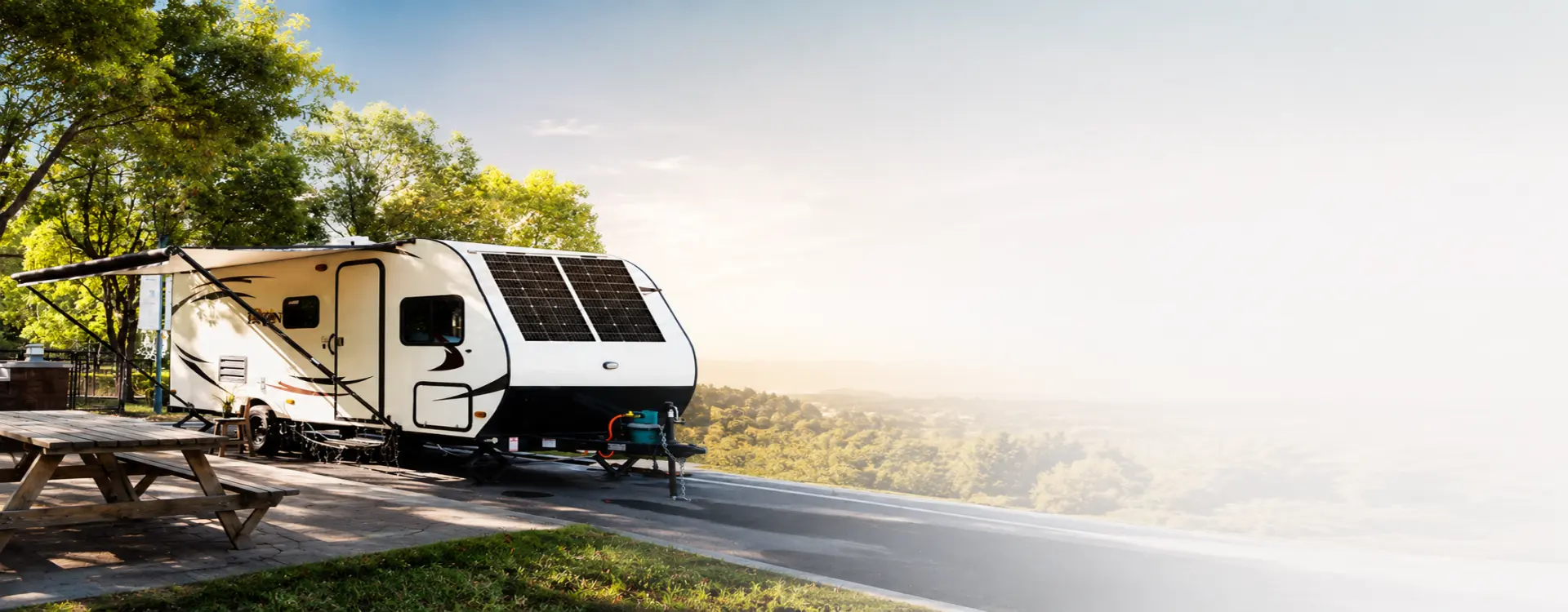
Flexible Solar Panels – Lightweight, Durable & Custom Solar Solutions
Lightweight and bendable solar panels designed for RVs, boats, curved surfaces, off-grid systems and custom solar applications.
QUICK ANSWER
What Are Flexible Solar Panels?
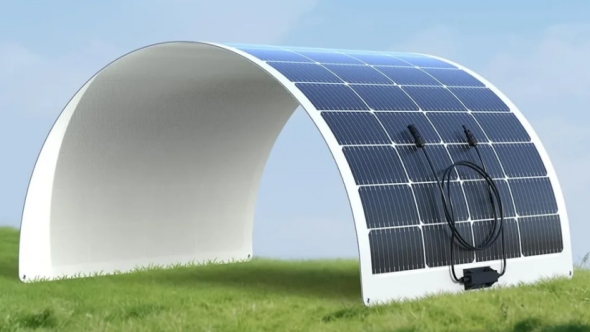
Flexible solar panels are lightweight photovoltaic modules designed to generate solar power on surfaces where conventional rigid panels may be difficult to install. Unlike traditional glass solar panels, flexible modules use lightweight substrates and protective materials that allow the panel to conform to gently curved or irregular surfaces.
Depending on the design and materials used, flexible solar panels can be thinner and significantly lighter than conventional framed modules. This makes them suitable for applications where weight, installation space, or roof curvature are important considerations. Common applications include RVs, camper vans, boats, caravans, camping systems, off-grid projects, and customized solar installations.
Flexible solar panels are available in different cell technologies, surface materials, power outputs, dimensions, and connector configurations. Hinergy can provide customized flexible solar panel solutions for different installation requirements and OEM/ODM projects.
Types of Flexible Solar Panels
Flexible solar panels can be broadly classified into two main types: flexible crystalline silicon panels and flexible thin-film panels. Crystalline silicon designs, particularly monocrystalline panels, are widely used for their high power output and efficiency, while thin-film technologies such as CIGS offer lightweight and highly flexible solutions. The right type depends on the application, available space, weight requirements and installation surface.
Flexible Crystalline Silicon Solar Panels
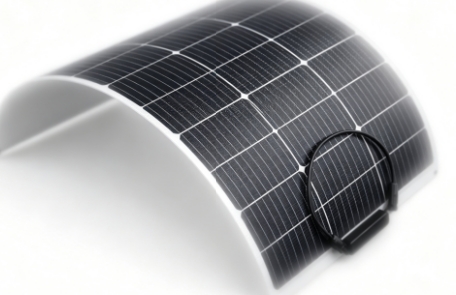
Flexible crystalline silicon solar panels use conventional silicon photovoltaic cells in a lightweight, flexible module construction. Monocrystalline cells are the most common choice because they provide high power output and efficiency in a compact area. These panels are widely used for RVs, camper vans, boats, caravans, camping and off-grid systems where low weight and flexible installation are important. Polycrystalline flexible panels are also available but are less common than monocrystalline designs.
Flexible Thin-Film Solar Panels
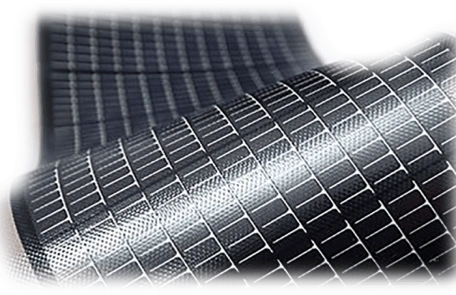
Flexible thin-film solar panels use photovoltaic semiconductor layers formed on flexible substrates rather than conventional rigid silicon wafers. Their thin construction can provide low weight, a low-profile design and greater flexibility for specialized applications. CIGS is one of the most established thin-film technologies for flexible solar products, while amorphous silicon and emerging technologies such as perovskite and organic photovoltaics are also being developed for flexible applications.
Flexible Solar Panel Materials and Cell Technologies
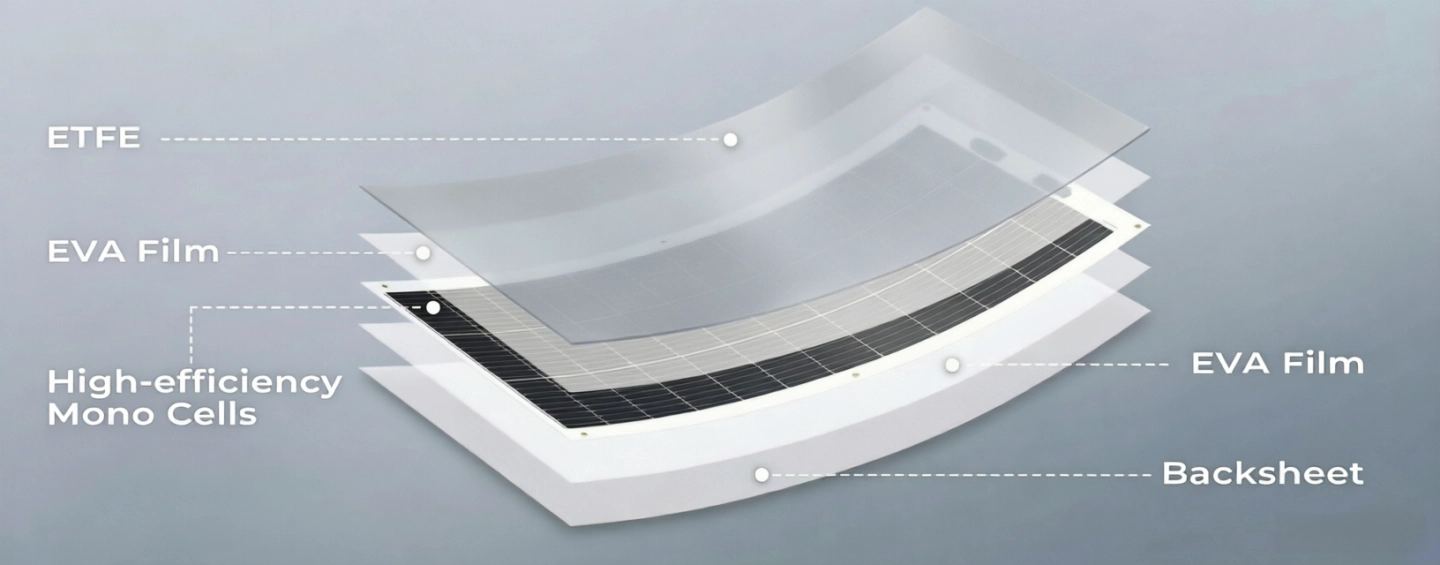
The performance and durability of a flexible solar panel depend not only on its photovoltaic cells, but also on the materials used to protect and encapsulate them. ETFE and PET are two common surface materials, while conventional monocrystalline and back-contact (BC) cells represent different cell technology options. Understanding these differences helps buyers select the right balance of flexibility, durability, power output and cost.
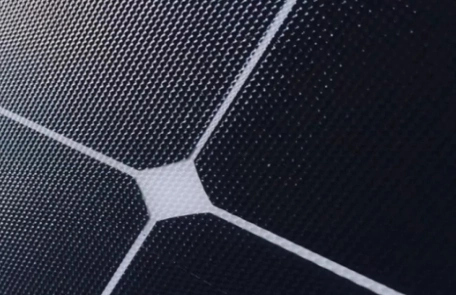
ETFE Surface
ETFE (ethylene tetrafluoroethylene) is a lightweight fluoropolymer commonly used as a protective surface layer for flexible solar panels. It offers good resistance to UV exposure, weathering, moisture and abrasion while maintaining a lightweight construction. ETFE is widely used in flexible panels for RVs, boats, marine environments and outdoor applications where durability and long-term surface protection are important. Its transparent surface can also help maintain efficient light transmission to the photovoltaic cells.
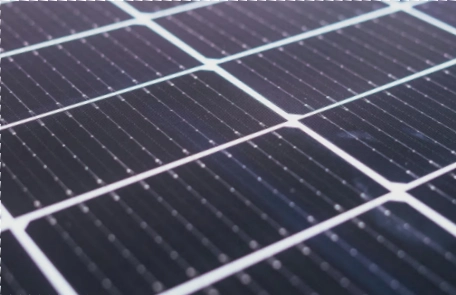
PET Surface
PET (polyethylene terephthalate) is another lightweight polymer material used in flexible solar panel construction. It can provide a cost-effective solution for applications where low weight, flexibility and overall module affordability are important. PET-based flexible panels are commonly considered for portable, recreational and general off-grid applications. Compared with ETFE, PET can offer a different balance of cost, surface protection and environmental resistance depending on the panel design, materials and expected operating conditions.
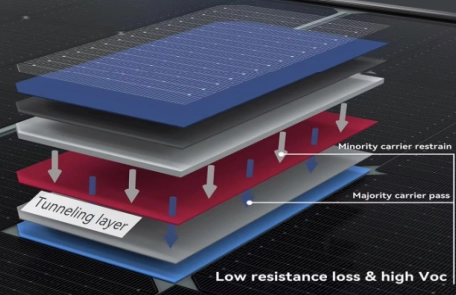
Conventional Monocrystalline Cells
Conventional monocrystalline silicon cells are widely used in flexible solar panels because they offer a strong combination of efficiency, power density and commercial availability. In flexible module designs, these cells are integrated with lightweight substrates and protective materials to allow bending and curved-surface installation. They are commonly used for RVs, camper vans, boats, camping and off-grid applications where a practical balance between power output, cost and flexibility is required.
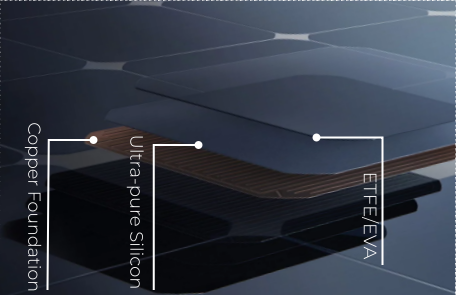
BC (Back-Contact) Cells
IBC (Interdigitated Back Contact) cells place the electrical contacts on the back of the cell, reducing front-side shading and creating a clean front surface. Maxeon is a well-known commercial example of IBC technology, which has also been used in high-performance flexible solar panels. Compared with conventional front-contact monocrystalline cells, IBC technology can provide high power density and efficient use of available surface area, making it attractive for lightweight applications where installation space is limited.
Why Are Flexible Solar Panels Different?
Flexible solar panels differ from conventional rigid modules in their construction, weight, flexibility and installation options. Lightweight materials, flexible substrates and protective surface layers allow them to adapt to applications where traditional glass panels may be difficult or impractical to install.
Lightweight
Reduced weight can simplify transportation, handling and installation, especially for RVs, boats and other weight-sensitive applications.
Flexible
Flexible construction allows the panel to conform to gently curved surfaces where conventional rigid modules may not fit easily.
Low-Profile
A slim design can provide a lower visual and physical profile for applications where roof height or appearance matters.
Durable
Protective materials and robust construction help flexible solar panels withstand outdoor exposure, moisture, temperature changes and everyday installation conditions.
How to Choose the
Right Flexible Solar Panel
Consider the Installation Surface
Start with the surface where the panel will be installed. Flexible solar panels are well suited to curved, irregular or weight-sensitive surfaces such as RV roofs, boats, caravans and camper vans. Check the surface shape, available mounting area and maximum allowable bend radius before selecting a panel.
Best for:
RV roofs · Boats · Caravans · Curved surfaces
Which Flexible Solar Panel Is Right for You?
The best flexible solar panel depends on your application, installation conditions and performance requirements. Use the guide below to compare common applications and priorities, and identify the panel configuration that best balances flexibility, power output, durability, weight and cost.
| Application / Priority | Key Requirement | Recommended Direction |
| RV & Camper Vans | Lightweight + curved installation | Lightweight monocrystalline flexible panel |
| Boats & Marine | Durability + outdoor exposure | Durable ETFE flexible panel |
| Limited Roof Space | High power density | High-efficiency / IBC cell option |
| Cost-Sensitive Projects | Balance of cost and performance | PET-based flexible panel |
| Custom Projects | Non-standard dimensions or specifications | OEM/ODM flexible solar panel |
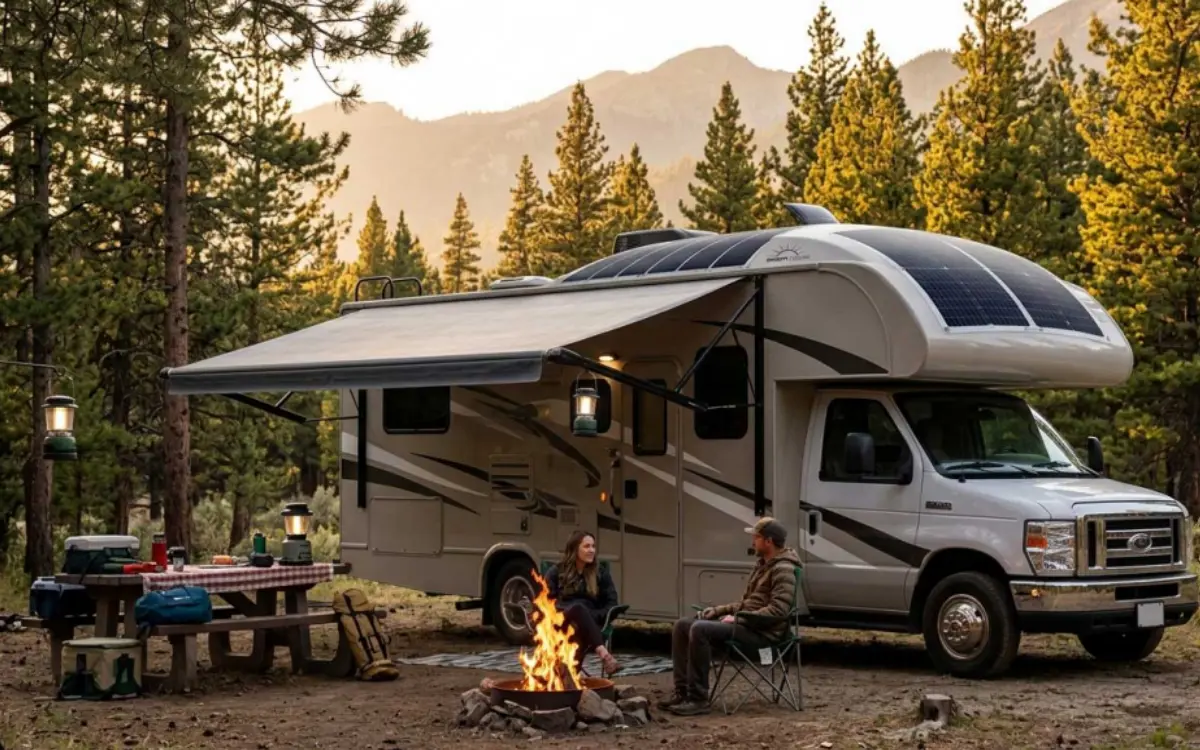
Camping & RV
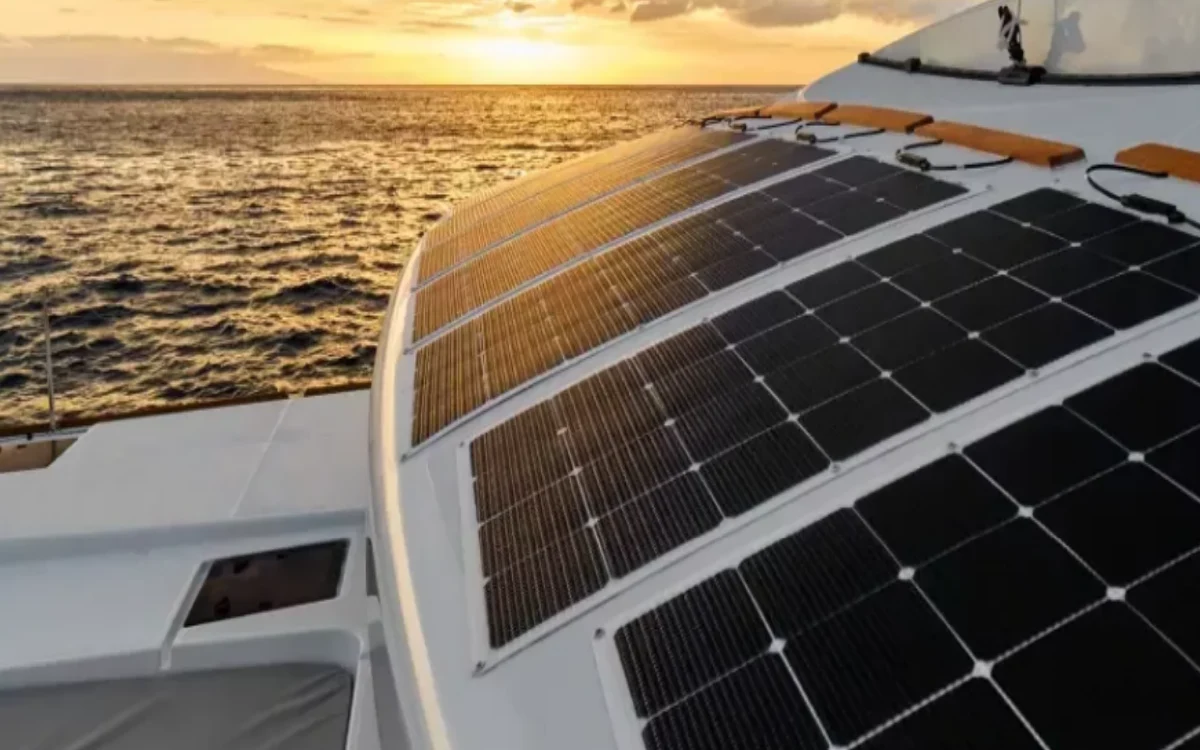
Marine & Automotive
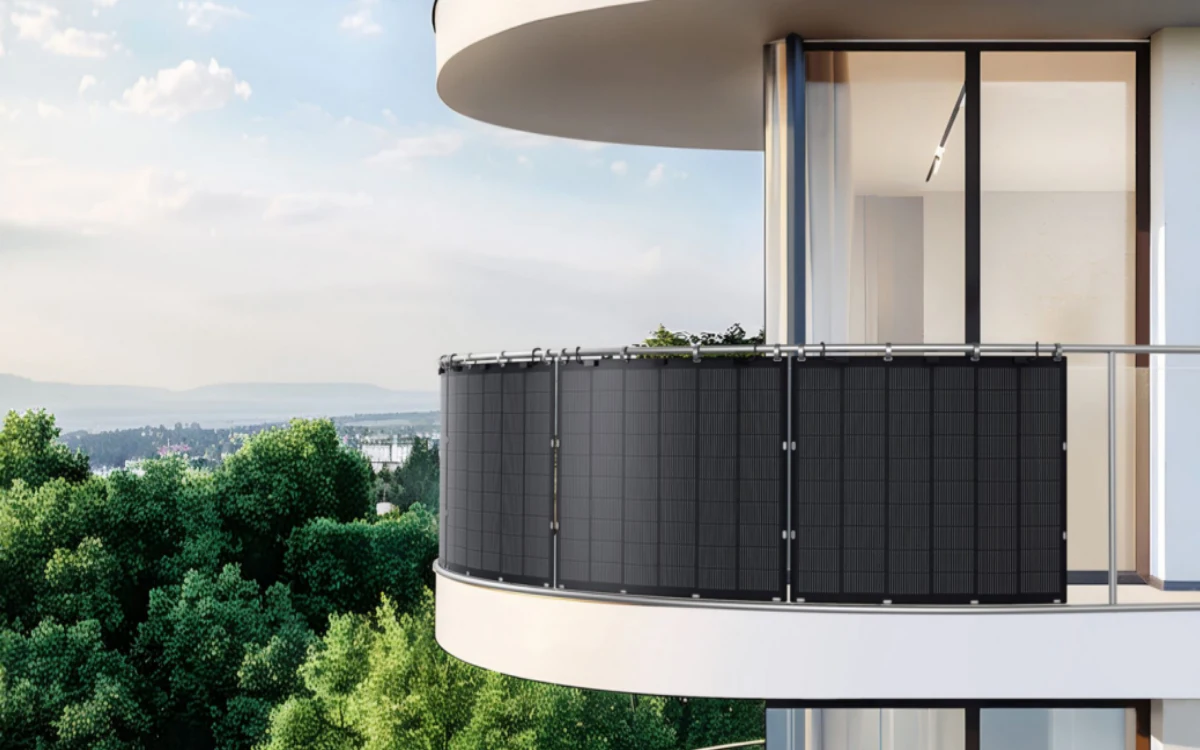
Home & Balcony
Portable Charging
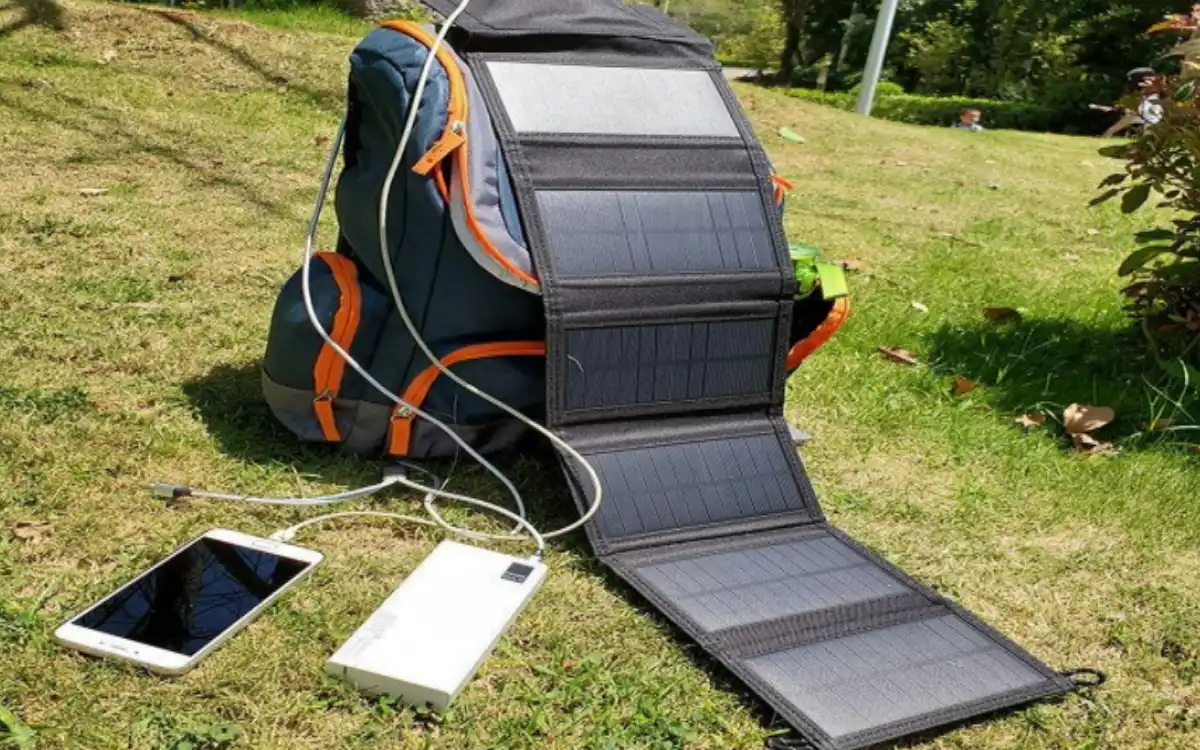
Why Choose Hinergy Flexible Solar Panels?
Hinergy flexible solar panels combine lightweight design, reliable performance and customization for diverse applications. With options for power output, dimensions, surface materials and cell technologies, we provide flexible solar solutions for RVs, marine, off-grid and specialized projects, with OEM/ODM support.
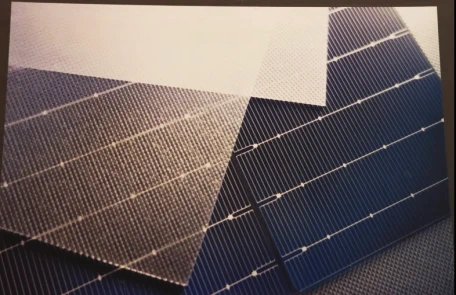
Multiple Materials & Cell Technology Options
Hinergy offers flexible solar panels with different surface materials and cell technologies to balance durability, weight, flexibility and power output. Options include ETFE or PET surfaces and high-efficiency crystalline silicon cells for diverse applications and performance requirements.
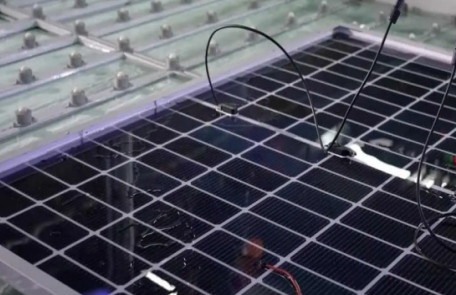
Quality Control & Product Reliability
Reliable flexible panels require quality materials, controlled manufacturing and thorough testing. Hinergy maintains quality control from material selection and assembly to electrical and visual inspection, helping ensure consistent performance for mobile, residential and off-grid applications.
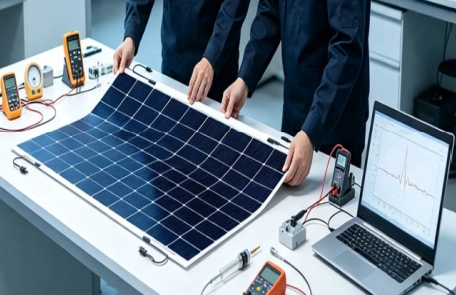
Customization & OEM/ODM Solutions
Hinergy offers flexible solar panel customization for power output, dimensions, connectors, materials and module configurations. OEM/ODM support helps distributors, system integrators and project partners develop panels tailored to specific applications, installation needs and market requirements.
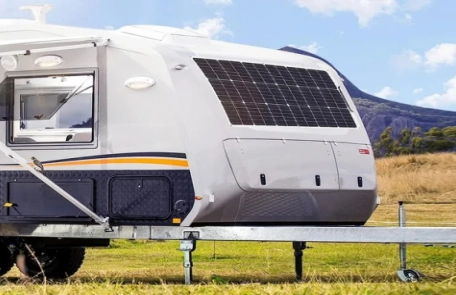
Flexible Solar Solutions for Different Applications
Flexible solar panels should match the installation environment. We provide application-focused solutions for RVs, boats, balconies, off-grid systems and outdoor charging, considering surface, space, power requirements and operating conditions to recommend the right panel configuration.
Frequently Asked Questions About Flexible Solar Panels
Explore answers to common questions about flexible solar panels, including their technologies, materials, applications, installation requirements and key selection considerations.

Need help choosing the right flexible solar panel? Our team can provide product recommendations, customization support and OEM/ODM solutions for your project.
Flexible solar panels are lightweight photovoltaic modules made with flexible substrates and protective materials instead of rigid glass. They use crystalline silicon or thin-film solar cells to convert sunlight into electricity. Their lightweight, low-profile construction allows installation on curved, irregular or weight-sensitive surfaces such as RV roofs, boats, camper vans and off-grid structures.