



Cylindrical Solar Panel Manufacturer for Smart Solar Poles
Explore cylindrical solar panels for street lights, smart poles and outdoor equipment. Hinergy supplies vertical PV modules from China and helps you assess pole fit, electrical compatibility and custom project requirements.
What Is a Cylindrical Solar Panel?
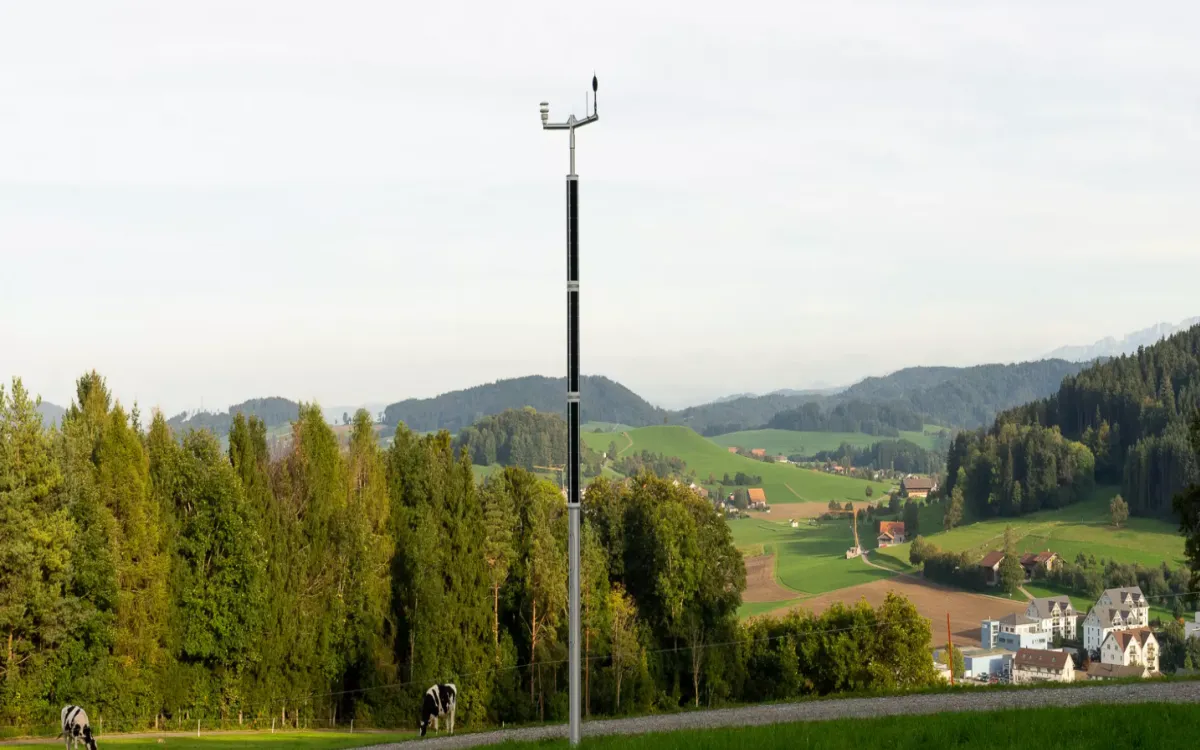
A cylindrical solar panel is a photovoltaic module arranged around a pole or tubular structure. Its vertical PV surfaces receive sunlight from different directions as the sun moves. Cylindrical PV modules suit applications where pole integration, a compact footprint and appearance matter, including street lights and smart poles.
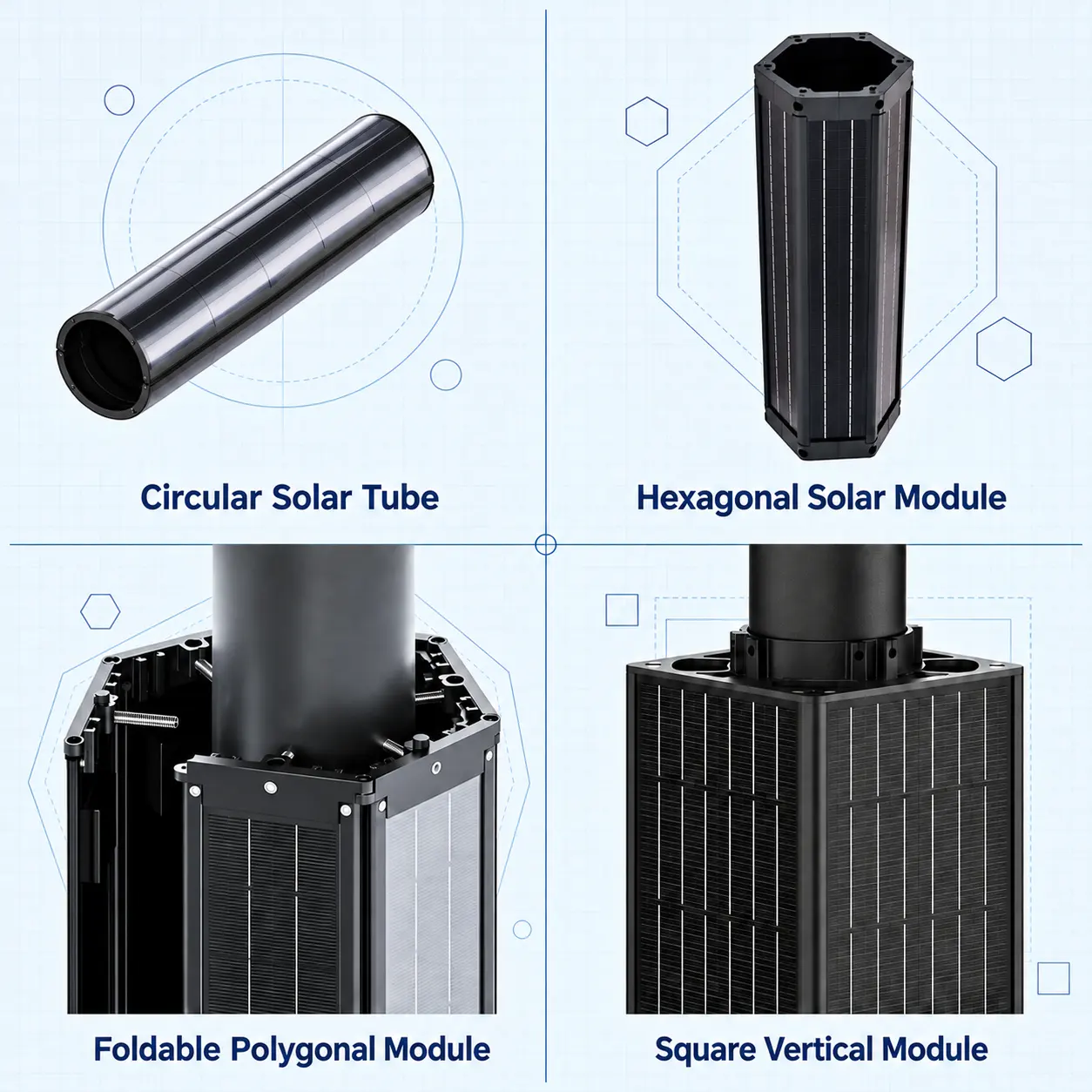
Related pole-integrated solar panels include hexagonal, foldable polygonal and square vertical modules. These faceted designs differ from circular solar tubes. Terms such as vertical solar panels for poles and pole-wrap solar modules describe installation concepts; they do not guarantee identical materials, electrical specifications or energy output.
A cylindrical photovoltaic module generates electricity. A complete lighting system also needs a compatible controller, battery, luminaire and supporting pole.
Explore Hinergy Cylindrical Solar Panels
Explore cylindrical solar panels for street lights and smart poles. Start with the featured 100W cylindrical solar panel, then browse our cylindrical solar panel catalog to review model specifications and discuss your project requirements.
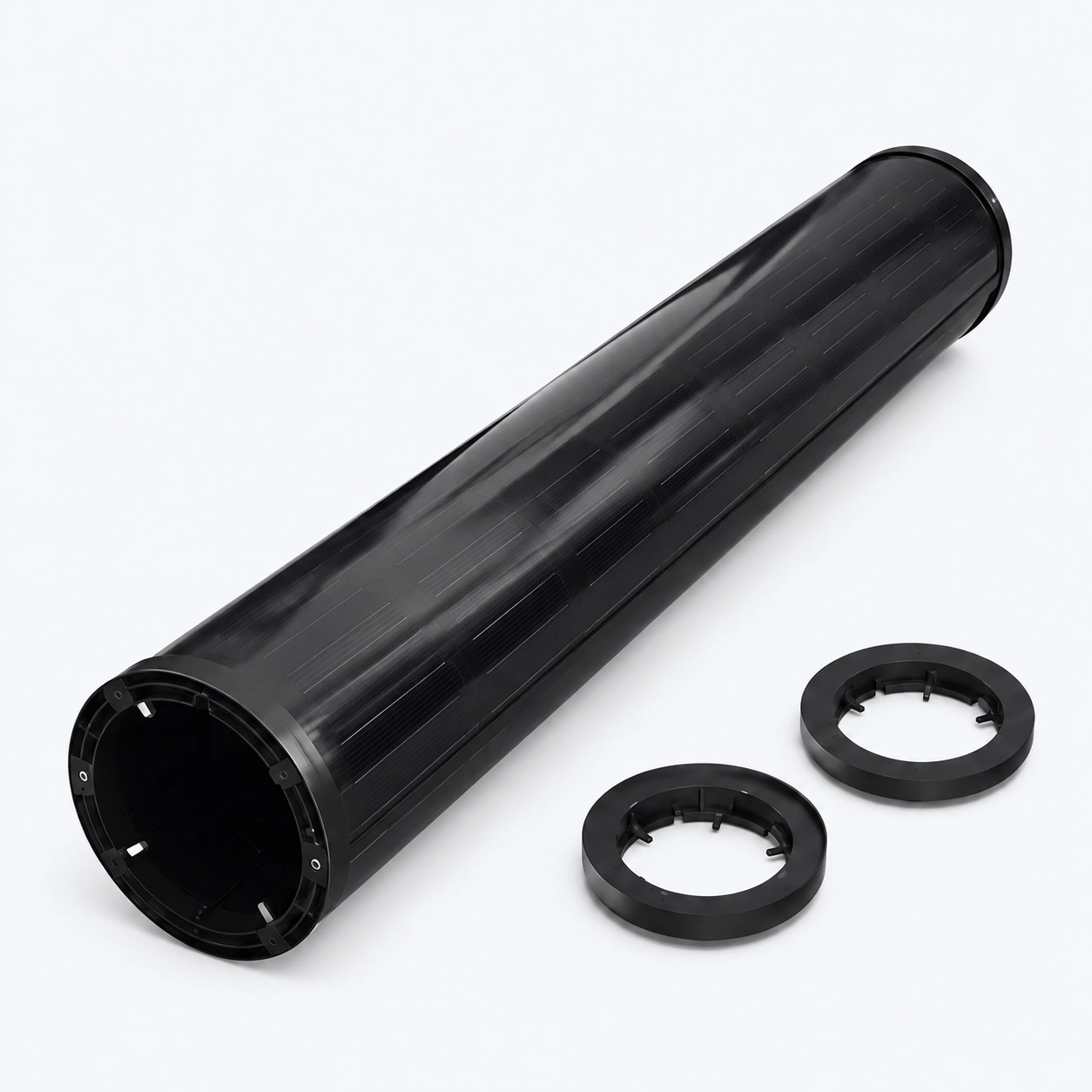
Cylindrical Solar Panel | 100W–500W
This crystalline silicon cylindrical PV module provides a vertical solar panel solution for light poles. Explore cylindrical solar panels for smart poles and street lighting, then check the selected model’s electrical specifications, pole dimensions and mounting requirements before confirming your system design.
Output Power: Model options from 100W to 500W at STC
Cell Technology: Crystalline silicon photovoltaic cells
Mounting: Pole-mounted solar panel for vertical integration
System Fit: Check pole dimensions and controller compatibility
Cylindrical Solar Panel Designs & Materials
Cylindrical solar panels and related vertical PV modules use different profiles, protective surfaces and mounting structures. Compare hexagonal, circular, foldable polygonal and square designs for pole-based applications. Shape alone does not determine cell technology or performance; check the selected model’s cells, encapsulation, frame materials and installation requirements.
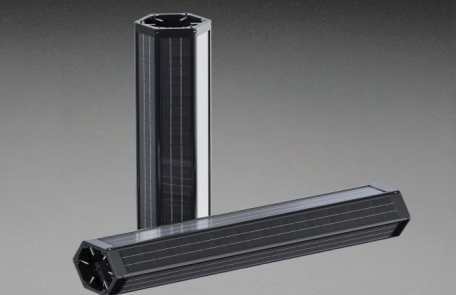
Hexagonal Vertical Solar Panels
Hexagonal vertical solar panels arrange photovoltaic surfaces around a six-sided profile. This faceted alternative to a round cylindrical solar panel can be considered for light poles and retrofit projects. Review the cell type, protective surface, frame material and mounting clearances against the selected module’s drawings and specifications.
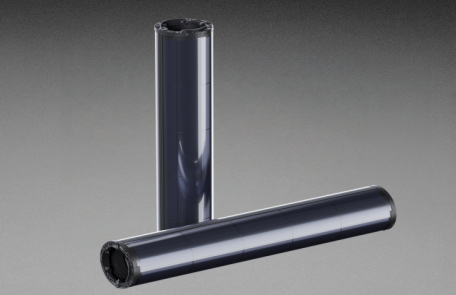
Circular Solar Tube Modules
Circular solar tube modules use a round profile to integrate photovoltaic cells around a pole. These cylindrical PV modules can be considered for street lights, CCTV poles and signal systems. Check the specified glass or laminate protection, internal clearance, mounting rings and cable exits before confirming installation compatibility.
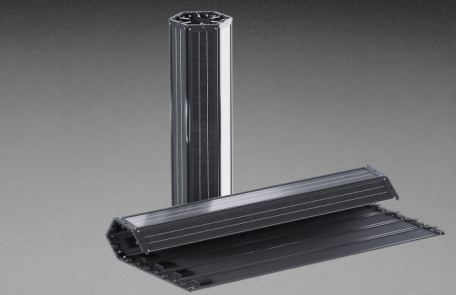
Foldable Polygonal Solar Panels
Foldable polygonal solar panels use connected sections to wrap around a supporting pole. These pole-wrap solar modules are a form of pole-mounted photovoltaic modules. For vertical solar panel mounting, confirm materials and fixing methods. When selecting polygonal solar panels for poles, review assembly access and cable routing.
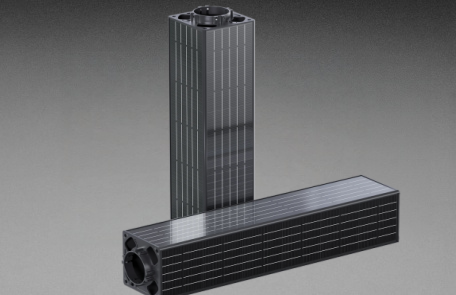
Square Vertical Solar Modules
Square vertical solar modules use a four-sided photovoltaic profile. These pole-integrated solar panels offer alternatives to cylindrical solar panels for architectural solar pole designs. When selecting vertical solar panels for lighting poles, check cells, protective materials, wiring, pole dimensions and mounting compatibility.
How to Choose a Cylindrical Solar Panel
Assess Daily Power Needs for Cylindrical Solar Panels
Start with the daily consumption of lights, cameras, sensors and communication equipment. Multiply each device’s power by its operating hours, then include controller consumption and system losses. Select cylindrical solar panels for street lights or smart poles using the complete energy budget. Rated panel wattage alone does not determine daily energy production.
Power Checks:
Device Power & Operating Hours
Continuous Camera & Sensor Loads
Controller Consumption & System Losses
Required Battery Backup Period
Selection Outcome: A daily energy budget for sizing solar generation and battery storage.
Review Sunlight and Shading for Vertical Solar Modules
Assess the installation location before choosing vertical solar panels for poles. Seasonal solar availability, nearby buildings, trees and shading affect charging energy. A cylindrical module’s curved surface receives different sunlight across its circumference. Evaluate the proposed mounting position and expected daily yield, especially during the least sunny season.
Solar Checks:
Installation Location & Seasonal Sunlight
Tree & Building Shading
Module Position & Available Exposure
Expected Daily Energy Yield
Selection Outcome: A site assessment to guide module sizing and pole placement.
Match Cylindrical PV Modules to the Pole
Check the supporting pole’s diameter, shape, material and available mounting height. Cylindrical PV modules must fit the approved brackets and provide clearance for cables and maintenance. Review module weight and local wind loads with the pole designer. Existing street light poles may require structural assessment before adding pole-integrated solar panels.
Mounting Checks:
Pole Diameter, Shape & Material
Module Dimensions & Mounting Height
Brackets, Fasteners & Cable Clearance
Module Weight & Structural Loads
Selection Outcome: A mounting configuration compatible with the pole and installation drawing.
Confirm Voltage and Controller Compatibility
Match the cylindrical photovoltaic module’s operating voltage, open-circuit voltage and current to the charge controller’s input limits. Check cold-weather voltage and the proposed series or parallel configuration. Battery nominal voltage differs from module operating voltage. Confirm the controller’s charging settings suit the battery chemistry and the connected equipment.
Electrical Checks:
Module Vmp, Voc, Imp & Isc
Controller Input & Charging Limits
Battery Voltage & Chemistry
Series Connections & Cold-Weather Voltage
Selection Outcome: An electrical configuration within the controller and battery operating limits.
Match Cylindrical Solar Modules to Outdoor Conditions
Review temperature, moisture, UV exposure, dust and salt exposure for the installation site. For cylindrical solar panels in coastal or exposed locations, request model-specific specifications and relevant test reports. Check whether protection ratings apply to the module, connectors or other components, and confirm mounting requirements for local wind conditions.
Environmental Checks:
Operating Temperature & UV Exposure
Moisture, Dust & Salt Exposure
Component Protection & Corrosion Resistance
Wind Loads & Relevant Test Reports
Selection Outcome: Documented environmental suitability for the proposed installation conditions.
Plan Maintenance and Custom Cylindrical Solar Panels
Check access for inspection, cleaning, cable servicing and module replacement. Define dimensions, electrical output, mounting interfaces and cable requirements when specifying custom cylindrical solar panels. For OEM pole projects, provide drawings and equipment details before approving the module design. Confirm documentation, replacement arrangements and warranty coverage for the selected configuration.
Project Checks:
Inspection, Cleaning & Replacement Access
Custom Dimensions & Electrical Output
Mounting Interfaces, Cables & Connectors
Drawings, Documentation & Warranty Coverage
Selection Outcome: A serviceable module specification ready for project review.
Cylindrical Solar Panel Construction & Components
Crystalline Silicon Cells
Hinergy cylindrical module uses crystalline silicon solar cells. A tubular shape describes module geometry, not cell chemistry. Confirm cell technology and the finished module’s rated output when comparing suppliers.
Protective Surface & Sealing
Check the approved glass or laminate construction, edge seals and cable exits. For a glass cylindrical solar panel, confirm glass specification and handling requirements against the model datasheet.
Pole-Integrated Assembly
A preassembled cylindrical PV module and a flexible solar panel wrapped around a pole can require different fixing methods. Verify clearance, support brackets, fasteners and access for maintenance before purchase.
Electrical Connections
Cell interconnection, cable routing and protection influence system behavior under uneven illumination. Ask for a module wiring diagram and controller limits instead of relying on shape alone.

Cylindrical Solar Panel Installation & System Integration
Installing cylindrical solar panels combines pole mounting with electrical system integration. Follow these four stages for street lights, smart poles and off-grid monitoring systems. Use the selected module’s installation instructions, approved mounting hardware and compatible charging equipment.
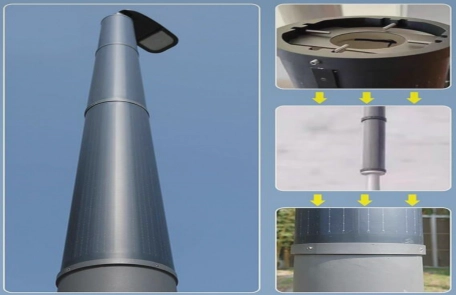
1. Prepare the Installation Pole
Before cylindrical solar panel installation, confirm pole diameter, mounting height, structural suitability and solar exposure. Check clearance for the photovoltaic module, brackets and cables. Prepare the mounting area and retain access for installation and maintenance.
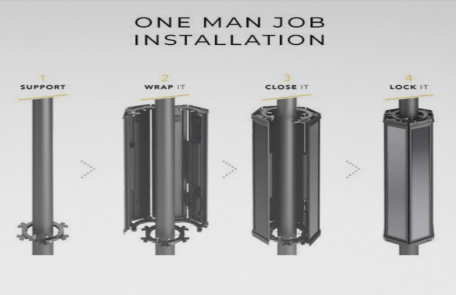
2. Secure Cylindrical PV Module
Mount the cylindrical PV module around the pole using approved brackets and fasteners. Follow model-specific alignment, clearance and tightening instructions. For pole-integrated solar panels, confirm secure support, protected cable routing and access for future servicing.
3. Connect the Electrical System
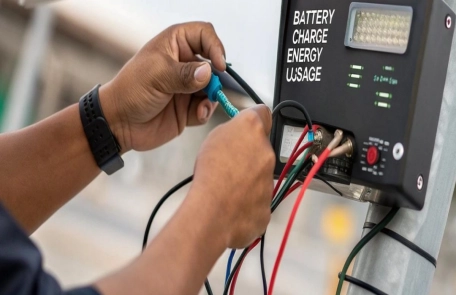
Connect cylindrical solar panel output cables to a compatible charge controller. Integrate the battery and lighting or monitoring loads according to the equipment instructions. Check polarity, cable sizing, connection protection and battery charging settings before commissioning.
4. Test System Operation
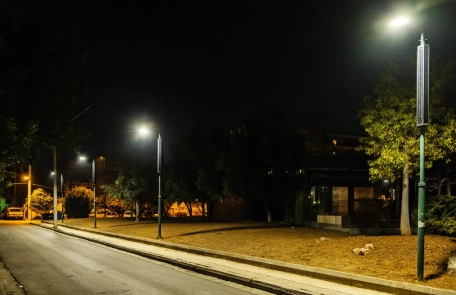
After installation, test charging, battery status and connected loads. For cylindrical solar panels for street lights, verify lighting hours and dimming settings. For smart poles, check cameras and sensors. Record commissioning results and plan routine inspections.
Street Lighting
Smart Poles
Monitoring & Sensors
Parks & Pathways



| Selection factor | Cylindrical / pole-integrated PV | Flat solar panel |
| Installation | Integrated around a compatible pole; requires the model’s mounting system. | Typically uses a separate bracket with a chosen tilt and orientation. |
| Space & appearance | Keeps PV close to the pole and can simplify the visual profile. | Projects away from the pole; may need more clearance. |
| Light exposure | Different surfaces receive light at different times; output depends on geometry and wiring. | A chosen panel orientation can target the site’s useful solar resource. |
| Shading | Nearby trees, buildings and pole equipment can shade portions of the module. | Shading depends on the mounting position and surroundings. |
| Structural design | Check wind loads, pole strength, module weight and fixing details. | Check the panel’s projected area, bracket and pole design. |
| Cleaning & service | Vertical surfaces may limit accumulation; inspection and cleaning remain site-dependent. | Access and cleaning needs depend on tilt, installation height and local soiling. |
| Best project fit | Street lights and smart poles requiring compact PV integration around the pole. | Projects allowing a separate PV assembly and site-specific orientation. |
Custom Cylindrical Solar Panels & OEM Solutions
Custom Power & Voltage
Specify daily energy demand, battery voltage and controller limits for custom cylindrical PV modules. Review rated power, operating voltage and current against your system requirements. For cylindrical solar panels for street lights, confirm charging compatibility before approving the electrical configuration.
Dimensions & Pole Fit
Share pole diameter, mounting height and installation drawings when specifying custom vertical solar panels for poles. Review module dimensions, fixing points and cable clearance. Each pole-integrated solar panel configuration should allow installation access and fit the approved pole structure and mounting arrangement.
Connections & OEM Branding
Define cable length, connector type, polarity and routing for cylindrical solar panel OEM projects. Discuss labels, branding and packaging for custom cylindrical solar modules. Confirm available options, sample requirements and order quantities before approving the quotation and final configuration.
Design Review & Quality Checks
Agree on inspection requirements for customized cylindrical photovoltaic modules, including dimensions, electrical output, cable assemblies and packaging. For OEM solar panels for smart poles, review available reports for the selected model and confirm sample approval criteria before releasing the design for production.
Cylindrical Solar Panel FAQs
1. What is a cylindrical solar panel?
A cylindrical solar panel, also called a cylindrical PV module or cylindrical photovoltaic module, arranges solar cells around a cylindrical structure. These vertical solar modules often surround a pole shaft, integrating photovoltaic generation into the pole profile. Applications include street lighting, smart poles and remote monitoring systems.
2. How do cylindrical solar panels collect sunlight?
3. Can cylindrical solar panels power street lights and smart poles?
4. How much energy does a 100W cylindrical solar panel produce?
5. Can pole-integrated solar panels fit existing light poles?
6. How do I match cylindrical PV modules to a controller and battery?
7. Are cylindrical solar panels suitable for off-grid CCTV and remote sensors?
8. How do cylindrical solar panels compare with flat solar panels?
9. Does Hinergy manufacture custom cylindrical solar panels in China?
10. What affects cylindrical solar panel price and wholesale quotations?

-
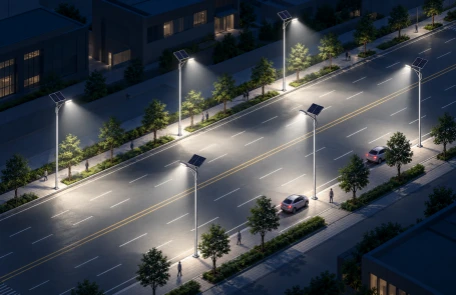 A project buyer’s guide to solar street light pole height and spacing. Learn how to define mounting dimensions, compare single-sided and staggered layouts, review photometric calculations and prepare a clear project brief before comparing quotations.
-
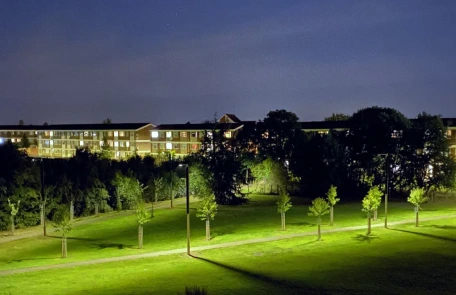 As the demand for renewable energy continues to grow, solar photovoltaic technology is evolving beyond traditional flat solar panels. While conventional PV modules have been widely used for rooftops, ground-mounted systems, and large-scale solar farms, their fixed surface orientation can limit sunli
-
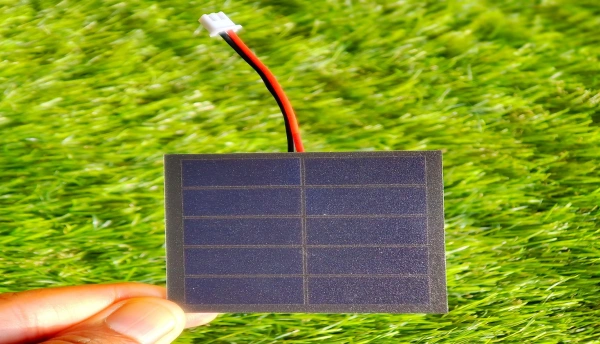 Small electronic devices increasingly require compact, lightweight, and reliable power sources. Traditional batteries often require frequent replacement, while standard solar modules are too large for low-power applications.A Mini Solar Panel with JST Connector provides a convenient plug-and-play so
-
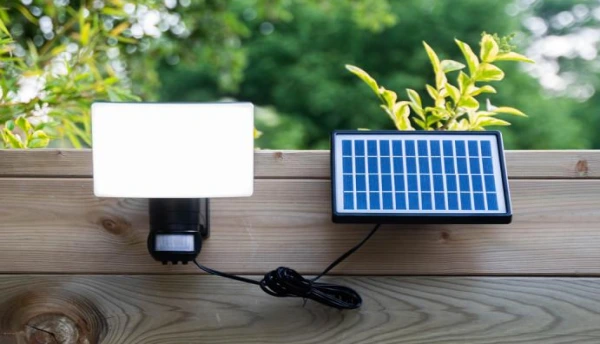 As electronic products become smaller and smarter, compact solar power solutions are increasingly required for devices that operate independently from the grid. A Mini Solar Panel with Wire provides a practical solution by combining a small photovoltaic module with a factory-installed cable, making
