English

What Is a Custom Solar Panel?
A custom solar panel is a photovoltaic module designed around your product’s dimensions, shape, electrical output and integration requirements. Unlike selecting a standard catalog model, customization starts with the available space, device power needs and operating conditions to define a suitable panel specification.

Sizes & Shapes
Tailored dimensions and outlines help solar modules fit product housings, mounting areas and installation constraints.

Power & Voltage
Target wattage, operating voltage and current are reviewed against available cell area and charging system requirements.

Materials & Connections
Panel construction, surface materials, cable routing and connectors are selected around weight, exposure and equipment interfaces.

OEM Branding
Labels, logos and packaging can be specified for your product line, with all branding details confirmed before production.
Custom Solar Panel Sizes & Shapes
Custom-size solar panels help fit product housings and installation spaces where standard modules may be unsuitable. Explore rectangular, square, circular, oval, trapezoidal, triangular, hexagonal and arc-shaped designs, with dimensions, cell layouts and electrical specifications tailored to your project. Final configurations are subject to engineering review.

Custom rectangular solar panels, including long narrow formats, accommodate slim housings and restricted installation spaces. Length, width, cell layout and cable position can be specified around lighting products, sensors and equipment enclosures.

Customized square solar modules suit compact devices with balanced housing dimensions. Panel size, corner details and electrical output can be tailored for monitoring equipment, small electronics and solar-powered product integration.

Round solar panels can be tailored to circular lighting fixtures, sensor housings and other compact products. Diameter, cell arrangement and optional center cutouts are evaluated against mounting requirements and available active area.

Bespoke oval solar panels fit elongated, rounded outlines. Major and minor dimensions, cell placement and connections can be specified for compact lighting, electronic housings and designs requiring an elliptical footprint.

Tailor-made photovoltaic modules with trapezoidal outlines fit tapered housings and angled spaces. Top and bottom widths, height and cell layout are developed around the available space, mounting requirements and target electrical output.

Triangular solar panels offer a custom-fit option for corners and angular product designs. Edge lengths, corner angles and cell layouts require coordinated planning to balance usable area, electrical output, mounting requirements and sealing margins.

Custom hexagonal PV modules match six-sided product housings and geometric designs. Overall dimensions, cell layouts and optional central openings can be evaluated for lighting assemblies, sensor enclosures and other OEM integration requirements.

Arc-shaped solar modules follow curved outlines within a flat installation plane. Inner and outer radii, segment angle and connection positions can be tailored to circular lighting assemblies and other ring-segment product designs.
From Drawing to Production: Our Customization Process
Tell Us About Your Custom Solar Panel Project
Start with your application, available installation space and target power or voltage. Share drawings, device loads, battery details, operating conditions and expected quantities so we can establish a clear starting point for your customized solar panel design.
Project Inputs:
Dimensions • Power & Voltage • Application • Quantity • Drawings
Stage Outcome: Project requirements collected.
Custom Solar Panel Types & Customization Options
Explore customized solar panels for OEM projects, from rigid glass modules to flexible, miniature and foldable formats. Compare materials, cell technologies, cable configurations, connectors and mounting options to match your product dimensions, electrical requirements and installation conditions.
Rigid Glass Panels
Custom rigid solar panels suit fixed installations and equipment housings requiring a stable structure. Specify glass construction, overall dimensions, frame or frameless design, mounting clearances and cable routing to match your product layout and electrical requirements.
Flexible Solar Panels
Tailor-made flexible solar panels suit lightweight products and curved surfaces. Panel dimensions, materials, cables and attachment methods match installation constraints, with allowable bending and heat management confirmed during design review.
Small & Mini Panels
Custom mini solar panels fit sensors, lighting products and compact electronics with limited space. Specify module dimensions, operating voltage, cell layout and connectors to suit the device housing, battery charging circuit and available installation area.
Portable & Foldable Panels
OEM foldable solar panels support portable power stations, camping equipment and outdoor chargers. Folded dimensions, layout, output interfaces, cable lengths and branding can be customized around storage space, charging compatibility and intended use.
ETFE & PET Materials
ETFE and PET encapsulation options offer different surface features for customized PV modules. Compare laminate structure, weight, exposure and mounting conditions to select materials for your product design and operating environment.
Solar Cell Technology
Cell selection for bespoke solar modules depends on available area, electrical targets and cost. Discuss monocrystalline cells and layouts, then compare module specifications rather than relying on cell efficiency alone.
Cables & Mounting Options
Custom PV modules can incorporate specified cable lengths, wire sizes and exit positions. Coordinate strain relief, frame clearances, fixing holes or adhesive attachment with the equipment layout, subject to construction and design review.
Connectors & Output Ports
Solar panels with custom connectors simplify integration with compatible equipment. Specify DC plugs, JST connectors or PV connectors by model, polarity and rating; USB output requires voltage regulation matched to the charging device.
Applications for Custom Solar Panels
From compact sensors to industrial equipment, Hinergy offers customized photovoltaic modules for diverse applications. Explore solar solutions with tailored dimensions, shapes, electrical output, materials and connections to match your product design, installation space and operating environment.

Custom mini solar panels fit wireless sensors, asset trackers and connected devices with limited space. Tailored dimensions, low-voltage configurations and connector options help integrate each module into the device housing and battery charging system.

Tailor-made solar modules can be configured for garden lights, bollard lights, street lights and decorative fixtures. Round, rectangular or irregular shapes fit housings, while electrical specifications match the lighting system’s charging requirements.

Customized solar panels for security cameras, trail cameras and monitoring equipment are configured around device consumption and installation conditions. Power output, cable length and mounting options match the PV module to battery and controller.

Custom-size solar panels accommodate roof vents, narrow spaces and vehicle layouts on campervans, motorhomes and trailers. Lightweight or flexible module options can be evaluated alongside mounting methods, cable routing and compatibility with onboard charging equipment.

Bespoke solar panels can be designed for boat decks, cabin roofs and marine canopies where standard formats may not fit. Panel geometry, encapsulation and cable connections are selected with moisture exposure and installation requirements in mind.

OEM solar panels for portable power stations, folding chargers and outdoor electronics offer customized layouts, folded dimensions, output interfaces, cable lengths and branding to suit different charging needs and outdoor usage scenarios.

Tailored photovoltaic modules power agricultural monitoring stations, irrigation controllers and weather instruments, with output, mounting dimensions and battery compatibility adapted to equipment loads, installation conditions and seasonal sunlight.

Custom PV modules integrate into telemetry terminals, traffic signs, parking meters and industrial enclosures, with tailored dimensions, voltage, current, mounting options and connectors to match equipment requirements and site installation conditions.
Custom Solar Panel Manufacturing & Quality Control in China
Custom solar panels made in China start with confirmed drawings, materials and electrical specifications. Hinergy’s OEM manufacturing process follows the agreed module design, with visual, dimensional and electrical checks defined around product construction and application requirements.

USB Output Options
Custom DC Plugs
Battery Clip Leads
PV Connector Options


Custom Solar Panels vs Standard Modules
Choosing between custom solar panels and standard PV modules depends on installation space, electrical compatibility and purchasing requirements. Tailor-made solar modules suit projects with specific integration needs, while an existing panel design may simplify sourcing when its specifications already match your application and overall project goals.
| Project Requirement | Information to Provide |
| Power & Electrical Output | Target wattage, operating voltage, current limits and battery or power station input specifications |
| Dimensions & Rolled Storage | Deployed size, available space, rolled package limits and intended rolling frequency |
| Cable & Connector | Connector type, polarity, cable length and routing requirements |
| Mounting & Deployment | Supporting surface, fastening points and temporary or permanent installation requirements |
| Operating Environment | Expected temperature, moisture, sunlight exposure and duration of use |
| Branding & Packaging | Logo artwork, labeling, protective packaging and documentation requirements |
| Testing & Procurement | Required tests, sample quantity, order volume and delivery destination |
Rollable Solar Panel Use, Charging and Storage
Deployment and Handling
Before deploying a roll-up solar panel, inspect the surface, cables and connectors for damage. Unroll it in the approved direction on a suitable surface, respecting the model’s minimum roll diameter. Position and secure the module according to its instructions. Keep cables supported and avoid pulling, creasing or placing stress on the panel during portable solar power setup.
Charging and Connections
Before using a rollable PV module for battery charging, confirm voltage, current, polarity and connector compatibility. Check the solar input limits of your charge controller or portable power station, including open-circuit voltage under expected temperatures. Follow the equipment’s connection sequence and use charge control suited to the battery chemistry. A connector adapter alone does not ensure electrical compatibility.
Rolling and Storage
For rollable solar panel storage, disconnect the equipment in the instructed sequence and clean the module using the approved method. Let it dry as required, then roll it in the permitted direction without exceeding its handling limits. Use the specified protective packaging. Avoid creases, pressure and tight rolling, and follow the model’s instructions for storage temperature and moisture exposure.
Why Choose Hinergy as Your Rollable Solar Panel Partner?
Model-Based Selection
Review model-specific electrical data, dimensions and rolling limits with Hinergy to select a roll-up solar panel suited to your equipment and application.
Custom & OEM Solutions
Discuss power, size, voltage and connector options for custom rollable PV modules, with design feasibility and validation needs confirmed before production.
Clear Product Documentation
Review available datasheets, handling instructions and relevant model records to understand specifications, connection requirements and permitted use of the proposed rollable photovoltaic panel.
Practical Procurement Planning
Confirm samples, order quantity, packaging, delivery terms and warranty scope with Hinergy before ordering, so procurement requirements are clear from the start.
Rollable Solar Panel FAQs
1. What Is the Difference Between a Roll-Up Solar Panel and a Flexible Solar Panel?
A roll-up solar panel is designed to be rolled for storage and unrolled for use within specified handling limits. Flexible solar panels are a broader category: some bend to fit curved surfaces but are not intended for rolling. When choosing a flexible rollable solar panel, check the finished module’s minimum roll diameter, permitted direction and support requirements rather than relying on its appearance or cell technology.
2. What Is the Minimum Roll Diameter of a Rollable PV Module?
3. Can Roll-Up Solar Panels Be Rolled and Unrolled Repeatedly?
4. Are Rollable Photovoltaic Panels Waterproof?
5. Can a Roll Up Solar Panel Charge a 12V Battery?
6. Can Portable Rollable Solar Panels Charge a Power Station?
7. How Do Rollable CIGS Solar Panels Perform on Cloudy Days?
8. How Do Rollable Solar Panels Compare with Foldable Solar Panels?
9. Does Hinergy Manufacture Custom Rollable PV Modules in China?
10. What Information Is Needed to Request a Roll-Up Solar Panel Quotation?
Request a Rollable Solar Panel Quote
Tell us what the panel needs to power, where it will be used and how it will be stored. Include the receiving equipment’s specifications when available.
Hinergy will review the request against suitable models and discuss the information needed to confirm a proposed configuration.
Application and daily energy demand
Battery, controller or power station input limits
Dimensions, storage limits and quantity
Testing, packaging and documentation needs
-
 As the demand for renewable energy continues to grow, solar photovoltaic technology is evolving beyond traditional flat solar panels. While conventional PV modules have been widely used for rooftops, ground-mounted systems, and large-scale solar farms, their fixed surface orientation can limit sunli
 -
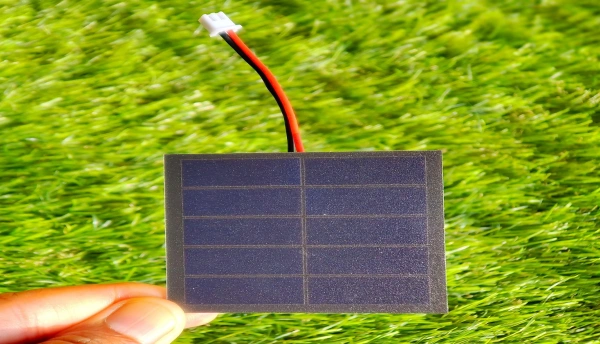 Small electronic devices increasingly require compact, lightweight, and reliable power sources. Traditional batteries often require frequent replacement, while standard solar modules are too large for low-power applications.A Mini Solar Panel with JST Connector provides a convenient plug-and-play so
 -
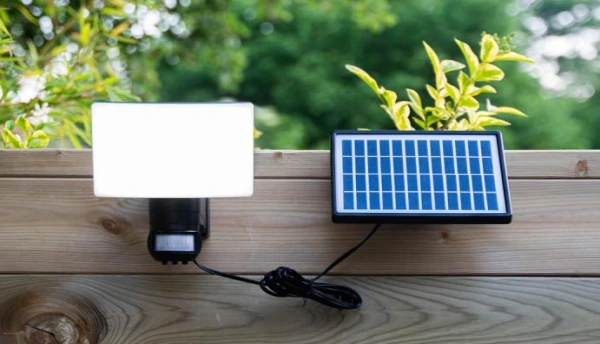 As electronic products become smaller and smarter, compact solar power solutions are increasingly required for devices that operate independently from the grid. A Mini Solar Panel with Wire provides a practical solution by combining a small photovoltaic module with a factory-installed cable, making
 -
 Staying connected no longer means tethering yourself to a wall outlet. Whether you're trekking through remote trails, preparing for storm season, or simply working from a sunny patio, a Mini Solar Panel with USB offers a remarkably simple way to keep your devices alive. Unlike traditional solar ...